
Control cabinet cooling
Climate Protection Through the New F-Gas Regulation
F-gases, or fluorinated greenhouse gases, are considered highly harmful to the climate due to their high global warming potential. The new EU F-Gas Regulation 2024/573 therefore aims to reduce these gases and, in the long term, phase out HFCs.
However, operators of such systems do not need to plan for hasty new purchases at this time; existing systems may continue to be operated for the time being, although stricter requirements apply to maintenance and repair.
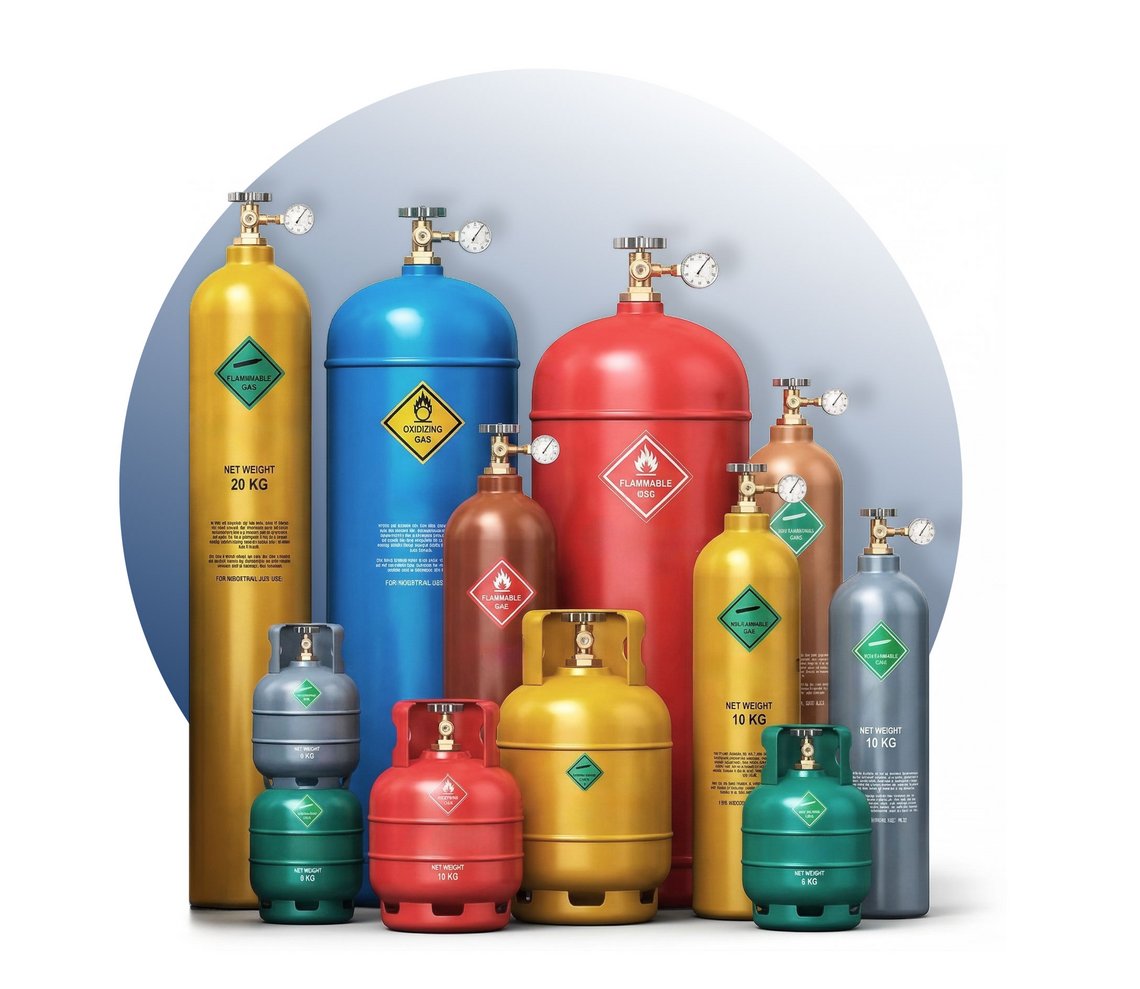

Navigate the F-gas transition with confidence with häwa
We know that the new regulation is causing uncertainty among many users and raising numerous questions. Existing häwa air conditioning units will continue to be used reliably—and we have already prepared a sustainable solution for the future:
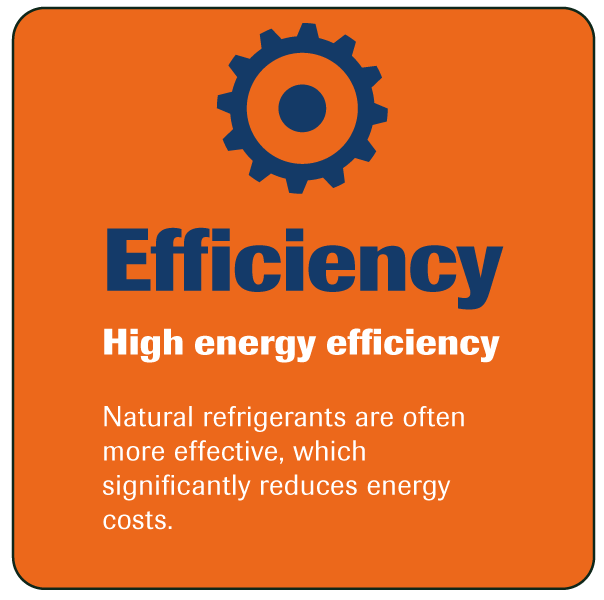
Natural refrigerants are increasingly gaining acceptance as an environmentally friendly alternative to fluorinated greenhouse gases and have the advantage over synthetic refrigerants that they do not release PFAS.
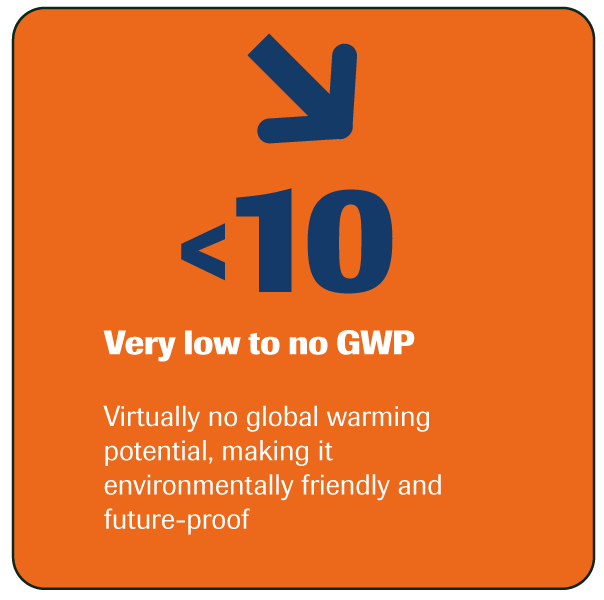
Propane (R290), in particular, is very well suited for air conditioning units and has an extremely low GWP value.
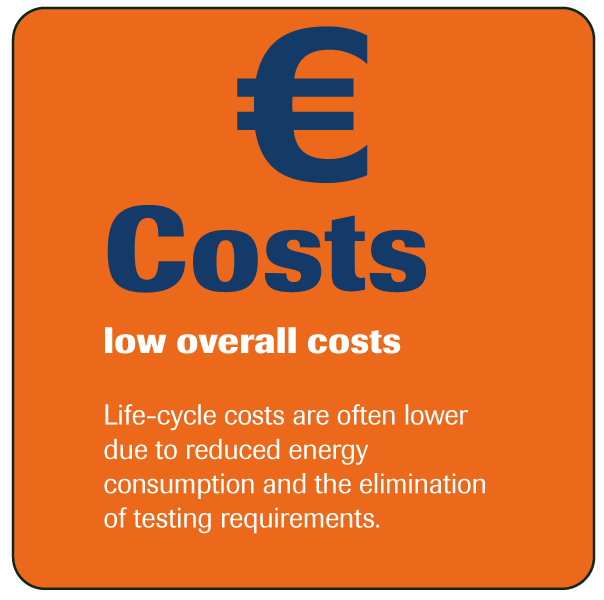
Advantages of natural refrigerants

Our support for your refrigerant strategy
We provide reliable support throughout the entire process:
- Analysis of your existing systems
- Assessment of legal requirements
- Development of customized conversion plans
- Consulting on suitable alternative refrigerants
- Planning and implementation of future-proof solutions
This ensures that your company not only complies with the law but is also positioned for sustainability and optimal economic performance.
Get advice now
Do you have any questions? Then please contact us.
We are happy to assist you with any questions regarding the F-Gas Regulation and refrigerant conversion.
Contact us—we’ll provide you with expert, practical support.
FAQ on the New F-Gas Regulation
- Manufacturers of equipment that uses fluorinated greenhouse gases
- Companies that import and/or export fluorinated greenhouse gases
- Businesses that perform maintenance and repairs on such equipment
- Equipment operators/owners
The new regulation provides comprehensive grandfathering up to 2032, while restricting the use of new refrigerants with a correspondingly high GWP and requiring the use of recycled refrigerants.
Permitted alternatives:
- natural refrigerants such as CO₂ (R744), propane (R290), ammonia (R717)
or
- synthetic refrigerants (HFOs/blends) such as R1234yf, R1234ze, R454B, R455A
Refrigerants Compared:
| Refrigerant |
GWP | Type | Permitted starting in 2027? (New installations) | PFAS / TFA Risk |
R290 (Propane) | 3 | Natural KW | ✔ Yes – without reservation | ✔ None – no fluoride |
R32 | 675 | Synth. HFC | ✗ No (GWP > 150) | ⚠ HFC – not TFA, but PFAS regulation is possible |
R1234yf | 4 | Synth. HFC | ⚠ GWP is acceptable – but a PFAS ban looms | ✗ PFAS – forms TFA; ban possible starting in 2027 |
R410A | 2.088 | Synth. HFC | ✗ Already prohibited | ✗ Prohibited |
R404A | 3.922 | Synth. HFC | ✗ Already prohibited | ✗ Prohibited |
CO₂ (R744) | 1 | Natural | ✔ Yes | ✔ None – no fluoride |
No. Although R290 is classified as flammable (Class A3), the filling capacity in air conditioners is well below the safety limits. Propane has been used without issue for many years in numerous industries (e.g., the food industry).
In our air conditioners, where R290 is applied as a refrigerant, the amount of refrigerant is well below the limit of 150 grams per system specified in the European safety standard IEC 60335-2-40. This means that IATA requirements are met, and air freight transport is possible worldwide without restriction.
The best control cabinets and enclosures are not produced on an assembly line, but through close dialog with our customers. Are you ready to begin?
Then contact your personal häwa consultant today.